How to Paint a Door Frame Without It Sticking to the Door
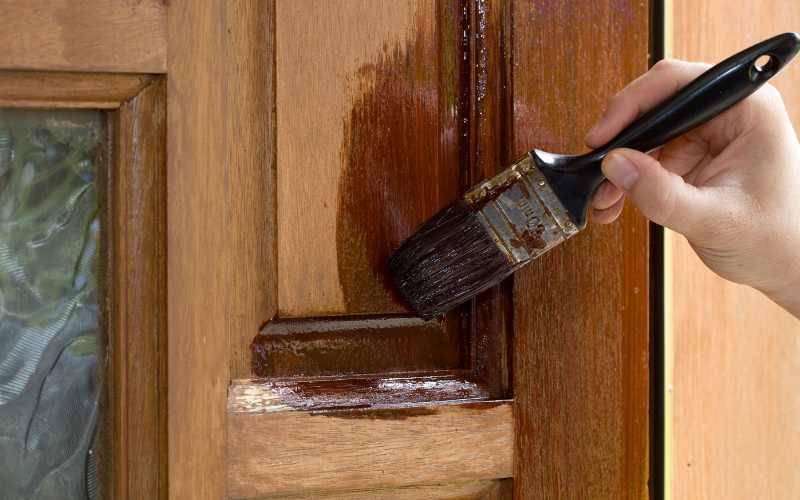
A freshly painted door frame should feel smooth, solid, and satisfying. Instead, for many homeowners, it turns into that awful moment where the door peels itself open, sticks, or makes that unmistakable tacky sound.
We see it all the time. In fact, a 2023 housing maintenance survey found that nearly 1 in 4 DIY interior paint jobs fail due to poor drying or surface prep, with sticky doors ranking among the top three complaints. Not chipped paint. Not colour choice. Sticky doors.
And the frustrating part?
This problem is almost always avoidable.
We're Inspire Painting, and today we're going to show you how to paint a door frame without it sticking. This is the same method that professional painters use to avoid callbacks, rework, and damaged finishes.
Let’s break it down.
Most sticky doors aren’t caused by “bad paint.”
They’re caused by timing, technique, and physics.
Here’s what’s really going on:
That’s why people Google:
They are not the same thing. Drying
This misunderstanding alone explains why painted doors stick.
You need:
Actionable steps:
If you’re deciding between oil based vs water based paint for doors, here’s the reality:
Look for:
Best paint for door frames:
When painting door frames:
High humidity:
Here’s how to stop freshly painted doors from sticking:
Should you remove doors before painting frames? If:
That’s why professional painters, trusted by Melbourne homeowners, focus on:
At Inspire Painting, we approach every door and trim job with the same care we’d expect in our own homes. Clean lines. Smooth finishes. No sticking. No peeling. No shortcuts.
If you want door frames that look sharp and function perfectly, whether it’s a single room or a full repaint, we’re always happy to help.
Because paint should make your space better, not fight back every time you open a door.
Related: Ultimate Guide to Painting Rentals in Melbourne
We see it all the time. In fact, a 2023 housing maintenance survey found that nearly 1 in 4 DIY interior paint jobs fail due to poor drying or surface prep, with sticky doors ranking among the top three complaints. Not chipped paint. Not colour choice. Sticky doors.
And the frustrating part?
This problem is almost always avoidable.
We're Inspire Painting, and today we're going to show you how to paint a door frame without it sticking. This is the same method that professional painters use to avoid callbacks, rework, and damaged finishes.
Let’s break it down.
Why Doors Stick After Painting (And Why It Keeps Happening)
Before we jump into how to stop door paint sticking, we need to be honest about why it happens in the first place.Most sticky doors aren’t caused by “bad paint.”
They’re caused by timing, technique, and physics.
Here’s what’s really going on:
- Paint feels dry to the touch long before it has fully cured
- Door frames and door edges sit in constant contact
- Latex and water-based paints stay flexible for hours or days
- Humidity slows door frame drying time dramatically

That’s why people Google:
- why does my door stick after painting
- how long before closing a painted door
- can you close a door after painting
Paint Drying vs Paint Curing (This Is Where Most Mistakes Begin)
One of the most misunderstood parts of painting door frames is the difference between drying and curing.They are not the same thing. Drying
- Paint no longer feels wet
- Usually happens within 1–4 hours
- Still soft underneath
- Paint reaches full hardness
- Can take 24 hours to 7 days, depending on conditions
- This is when paint stops sticking
This misunderstanding alone explains why painted doors stick.
Step-by-Step: How to Paint a Door Frame Without Sticking
Let's get real. We do this for professional jobs, and it works.1. Proper Preparation Is Non-Negotiable
Painting interior doors and frames starts before the tin is opened.You need:
- Clean, grease-free surfaces
- Light sanding to remove gloss
- Dust-free edges
Actionable steps:
- Clean the door jamb painting area with sugar soap
- Lightly sand using 180–220 grit paper
- Wipe down with a damp cloth and let dry

2. Choose the Right Paint (It Matters More Than Colour)
Not all trim paint behaves the same.If you’re deciding between oil based vs water based paint for doors, here’s the reality:
- Oil-based paint cures harder and is less prone to sticking
- Water-based paints dry faster but stay flexible longer
Look for:
- Hard-curing formulas
- Low tack finishes
- Trim-specific labels
Get Professional House Painting
Get a Free Quote3. Use the Correct Paint Finish for Door Frames
Gloss level isn’t just about appearance.Best paint for door frames:
- Satin or semi-gloss
- Avoid flat or matte finishes
- Higher sheen = harder cured surface
- Less surface friction between door and frame

4. Paint the Door Frame Properly (Order Matters)
One of the most common door painting mistakes we see is poor sequencing. Correct order:- Door frame first
- Let it dry
- Then paint the door
When painting door frames:
- Use thin, even coats
- Avoid heavy build-up on edges
- Feather paint away from contact points
5. Control Drying Conditions (Yes, Your Weather Matters)
Humidity and paint drying are directly connected.High humidity:
- Slows evaporation
- Extends curing time
- Increases tackiness
- 15–25°C
- Low humidity
- Good airflow (but no direct wind)
6. Leave the Door Open Longer Than You Think
This is where patience pays off. Even if paint feels dry:- Leave the door open at least 24 hours
- 48 hours is safer for water-based paints
Extra Professional Tips to Stop Doors From Sticking
These are the small things pros do that DIY guides often skip.- Lightly sand door edges between coats
- Avoid painting thick layers on contact points
- Remove doors if repainting door frames heavily
- Never rush drying with heaters (causes uneven curing)

Common Mistakes That Cause Sticky Doors
Let’s call them out clearly.- Closing the door too early
- Using low-quality paint
- Painting in humid conditions
- Skipping sanding door frames before painting
- Using flat paint on trim
What If Your Door Is Already Sticking?
It’s fixable.Here’s how to stop freshly painted doors from sticking:
- Gently separate stuck areas
- Lightly sand the affected edge
- Allow additional curing time
- Recoat lightly if needed
Should You Remove Doors Before Painting Frames?
This comes up often.Should you remove doors before painting frames? If:
- You’re repainting door frames completely
- There’s heavy paint build-up
- Precision matters
Professional Results Without the Stress
Painting door frames properly isn’t about fancy tools. It’s about timing, technique, and understanding how paint behaves.That’s why professional painters, trusted by Melbourne homeowners, focus on:
- Surface prep
- Correct product choice
- Controlled conditions
Final Thoughts (From Inspire Painting)
When a door sticks after being painted, it's not just annoying; it's a sign that something went wrong. The good news? With the right preparation, paint choice, and patience, it’s completely avoidable.At Inspire Painting, we approach every door and trim job with the same care we’d expect in our own homes. Clean lines. Smooth finishes. No sticking. No peeling. No shortcuts.
If you want door frames that look sharp and function perfectly, whether it’s a single room or a full repaint, we’re always happy to help.
Because paint should make your space better, not fight back every time you open a door.
Related: Ultimate Guide to Painting Rentals in Melbourne